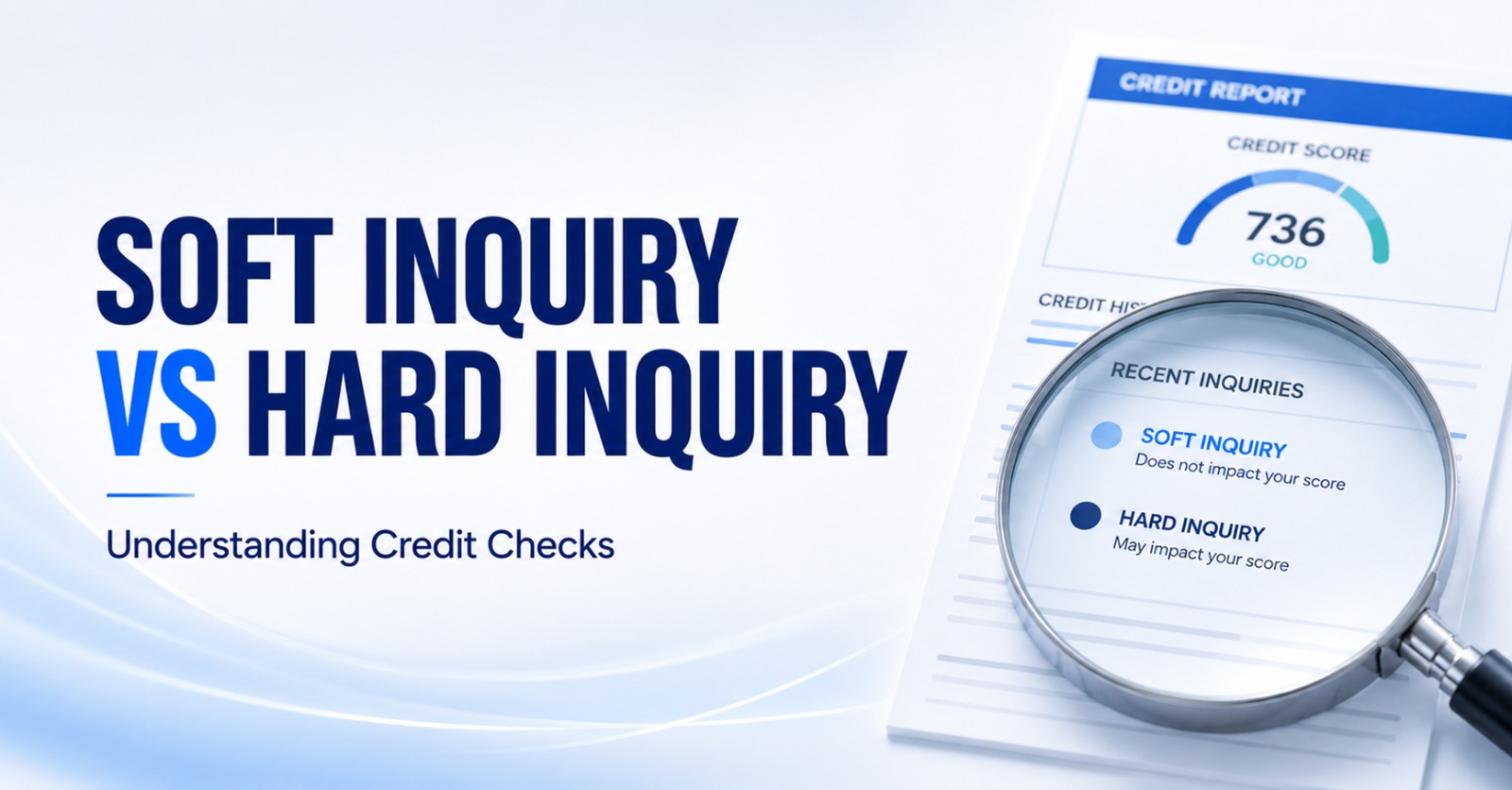
Applying for a loan in India means your credit history is under scrutiny. Banks and financial institutions don't just hand out money based on a gut feeling—they rely on your credit score. But how do they check that score? It all comes down to two types of inquiries: soft and hard. Each has its distinct impact on your creditworthiness.
The Basics of Credit Inquiries
A credit inquiry is a request to view your credit report. It happens for various reasons—when you apply for a loan, a credit card, or even when you're just curious about your own credit standing. These inquiries are categorized into two types: soft inquiries and hard inquiries. They may sound similar, but their effects are markedly different.
What's a Soft Inquiry?
Soft inquiries occur when you check your own credit score or when a company checks your credit as part of a background check. These are routine checks that don't affect your credit score. For instance, when you get pre-approved for a credit card offer, the issuer performs a soft inquiry to decide if you're eligible. The beauty of soft inquiries is their invisibility—they leave no mark on your credit report visible to lenders.
The Nature of Hard Inquiries
Hard inquiries, on the other hand, occur when you apply for a loan or credit card. This type of inquiry does affect your credit score, albeit slightly. When a lender pulls your credit report to make a lending decision, it signals that you're seeking credit. Too many hard inquiries in a short period can suggest financial distress, potentially lowering your credit score.
Real-World Impact in India
Imagine you're applying for a personal loan of ₹5 lakh. The bank will perform a hard inquiry to evaluate your creditworthiness. If your CIBIL score is already on the lower side, a hard inquiry might knock off a few more points, affecting your loan terms or eligibility.
Why Hard Inquiries Matter More Than You Think
In the Indian context, a single hard inquiry might lower your score by 5 to 10 points. That doesn't sound like much, but if you're hovering around the 750 mark, crucial for favorable loan terms, those few points count. Keep in mind, a lender isn't just looking at your score; they're also assessing your inquiry history. Too many inquiries can make them wary.
The Role of CIBIL in Credit Inquiries
CIBIL, India's leading credit information company, plays a pivotal role in both inquiry types. Your CIBIL score, which ranges from 300 to 900, is a critical factor for lenders. A score above 750 is generally considered good. When banks perform a hard inquiry, they access your CIBIL report to gauge your credit history.
Managing Your Credit Inquiry Types
It's crucial to manage the types of inquiries you accrue. Soft inquiries are harmless, but hard inquiries require careful planning. Here are a few tips:
- Space Out Loan Applications: Avoid applying for multiple loans at once. Each application results in a hard inquiry.
- Check Your Credit Score Before Applying: Use platforms that allow free CIBIL score checks without affecting your score.
- Negotiate with Lenders: Sometimes, lenders might perform a soft inquiry initially. Ask if this is an option.
Credit Score Myths and Facts
Many believe that checking their own score will damage it—but this is a myth. Self-checks are soft inquiries and won't affect your score. Another common misconception is that closing a credit card will always improve your score. In reality, it can reduce your available credit, potentially lowering your score.
The Subtle Art of Credit Management
Effective credit management isn't just about paying your bills on time. It's about understanding how inquiries work and using that knowledge to your advantage. Consider the timing of your applications and maintain a healthy mix of credit (credit cards, installment loans) to show lenders you're a responsible borrower.
Key Takeaways for Indian Borrowers
Credit inquiries, while seemingly trivial, play a significant role in shaping your credit profile. In India, where financial habits are rapidly evolving, staying informed about how these inquiries work can save you from costly mistakes.
How to Keep Track of Your Credit Inquiries
Use free services to monitor your credit report regularly. You're entitled to one free credit report per year from each credit bureau. Check for accuracy and dispute any discrepancies. Regular monitoring helps you stay on top of your credit health.
FAQ
How long do hard inquiries stay on my credit report?
Hard inquiries remain on your credit report for up to 24 months. However, their impact on your score typically diminishes after the first year.
Can checking my own credit score affect it negatively?
No, checking your own credit score is considered a soft inquiry and doesn't affect your credit score. It's a good practice to check it regularly.
What's the best way to improve my CIBIL score?
Pay your bills on time, reduce your credit utilization ratio, and avoid unnecessary hard inquiries. Maintaining a mix of credit types can also help improve your score over time.