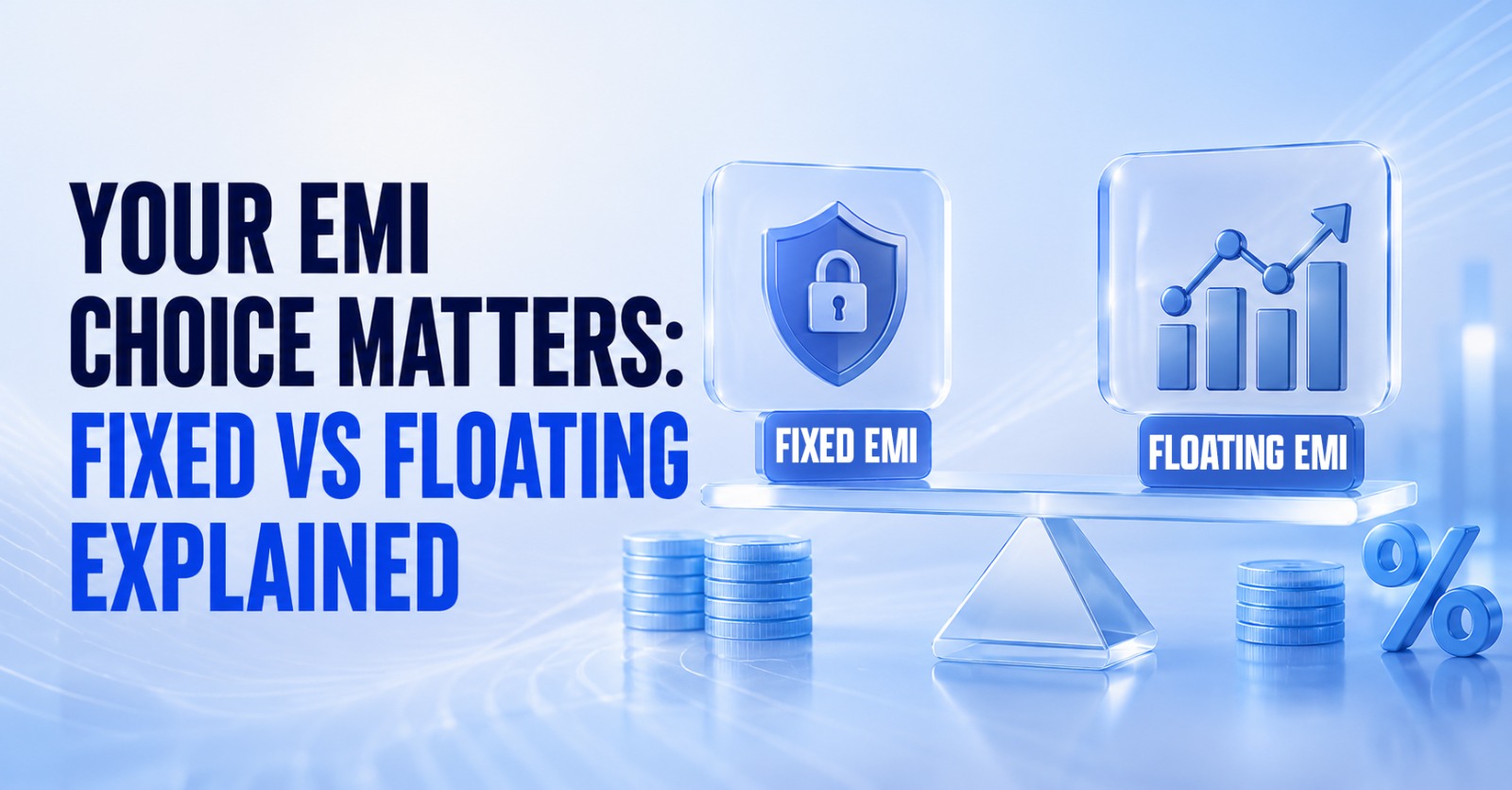
Choosing between a fixed and floating EMI can feel like deciding between certainty and potential savings. For many in India, this decision not only affects monthly budgets but also the overall cost of a loan. As housing prices in cities like Mumbai or Bengaluru continue to rise, understanding these EMI options becomes crucial.
Understanding Fixed EMIs
Fixed EMIs provide a sense of predictability. You're locking in your interest rate, which means your monthly payments remain the same throughout the loan tenure. This can be particularly appealing in a country where inflation and interest rates have historically been volatile. For instance, if you take out a home loan at a 7% fixed interest rate, you know exactly what you'll be paying each month, whether it's ₹20,000 or ₹50,000, regardless of market shifts.
However, the stability comes at a cost. Fixed rates are generally higher than their floating counterparts. Banks hedge against future rate rises by pricing fixed loans a bit higher. But for someone with a fixed monthly income, the ability to plan finances with certainty can outweigh the potential for lower payments.
Pros and Cons of Floating EMIs
Floating EMIs are linked to the base rate set by banks, which in turn, are influenced by the Reserve Bank of India's policies. When economic conditions improve, and the RBI cuts rates, borrowers with floating EMIs can benefit from reduced payments. For instance, a 0.5% rate cut might reduce your monthly payment from ₹30,000 to ₹28,500.
But there's a downside. Just as rates can fall, they can also rise. A shift in the repo rate can push your EMI from ₹25,000 to ₹32,000 overnight. For borrowers who aren't prepared for such fluctuations, this can strain monthly budgets. Those with variable income streams might find this risk acceptable, but others need to weigh their risk tolerance carefully.
Fixed vs Floating: A Comparative Look
When deciding between fixed and floating EMIs, consider the following:
- Interest Rate Trends: If rates are expected to rise, a fixed rate loan might save you from future increases.
- Loan Duration: Shorter loans might benefit more from a floating rate, while longer loans could require the safety of fixed payments.
- Income Stability: Fixed EMIs provide peace of mind for those with stable, predictable incomes.
- Market Conditions: In a falling interest environment, floating rates could offer substantial savings.
A young professional in their early 30s, for instance, who plans to stay in their home for the next decade, might prefer the predictability of a fixed rate. On the other hand, someone expecting a salary hike or additional income might gamble on a floating rate, hoping to capitalize on potential cuts.
How Indian Banks Determine EMI Options
In India, banks offer both fixed and floating EMI options across various loans, including home and personal loans. The choice between them often boils down to personal preferences and economic forecasts. With the RBI frequently adjusting policy rates, these decisions can have long-lasting impacts.
An HDFC Bank home loan might offer a fixed rate of 7.5% but a floating rate starting at 6.9%. Over a 20-year term, this difference can translate into lakhs saved or spent. It's vital to review the terms and conditions, including any clauses about rate resets or prepayment penalties.
Real-Life Scenarios: Fixed vs Floating
Consider Rohan, a software engineer in Hyderabad, who opted for a fixed EMI when buying his first apartment. He valued the certainty, especially during a period when the Indian economy was unstable. In contrast, Priya, a marketing executive in Delhi, chose floating EMIs for her personal loan, banking on potential rate cuts as the RBI sought to stimulate growth.
These decisions, while personal, reflect broader trends and individual financial philosophies. It's not just about numbers but also about comfort levels with risk and financial planning.
Making the Right Decision for Your Loan
Ultimately, the choice between fixed and floating EMIs comes down to individual circumstances and market conditions. While some may prioritize stability, others might seek flexibility and potential savings. It's crucial to:
- Assess your financial health and risk appetite.
- Keep abreast of economic forecasts and RBI policies.
- Consult with financial advisors or use online EMI calculators to project different scenarios.
In a rapidly changing financial landscape, being informed and proactive can help you make the right call.
FAQ
Which EMI option is better for a home loan in India?
It depends on your financial situation and risk tolerance. If you prefer stability and predictability, a fixed EMI is better. If you're okay with fluctuations and potential savings, consider a floating EMI.
Can I switch from a floating to a fixed EMI or vice versa?
Yes, many banks allow switching between EMI types, but it often involves fees or a rate adjustment. It's essential to read the terms and consult your bank for specific details.
How do I calculate my EMI for different interest rates?
You can use online EMI calculators provided by banks, where you input the loan amount, tenure, and interest rate to get an estimate of your monthly payment. This helps compare different EMI options.